 Watch on YouTube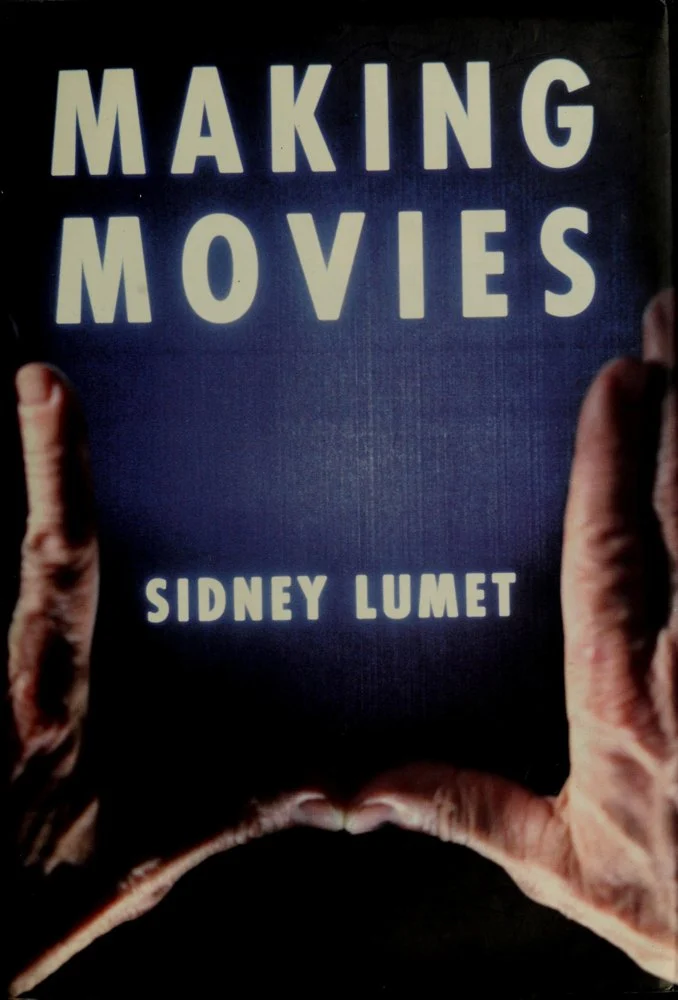
Sidney Lumet made 12 Angry Men, Serpico, Dog Day Afternoon and Network. He also made them on time and on budget, for decades, which in that company is the more unusual achievement.
Making Movies is his account of how a film is actually built, step by step, from script to release print. It is nominally a craft book. It is also the clearest explanation I know of why money and creative decisions are the same decisions, which is why it belongs on a finance shelf.
What the book actually covers
Lumet structures the book as the production sequence itself. The script. The casting. The camera, the lens, the color. The art director and the set. The shoot. The actors. The cutting room. The score. The dub. The answer print. Each chapter is what that stage actually involves, decided by someone who did it forty-four times.
What makes it valuable beyond craft is that Lumet treats every creative decision as inseparable from its cost and its schedule. The choice of lens has a budget consequence. The rehearsal period he insisted on — unusual then and nearly extinct now — was justified to studios on the grounds that it saved shooting days, which it did. His famous discipline about coming in on schedule was not administrative virtue. It was how he protected his control over the work.
That is the argument that transfers. Lumet is explicit that the director who cannot manage the money will eventually have the work taken away from them, and that financial competence is what buys creative autonomy. He treats the budget as a creative document, and the people who administer it as collaborators rather than obstacles.
He is also excellent on collaboration generally — on what a cinematographer, an editor and a composer actually contribute, and on how a director gets the best from each. The chapter on the cutting room is a small masterpiece.
Why you should read it
Read it if you finance production. This is the best explanation available of what the money is actually buying, stage by stage, and it will make you a considerably better reader of a budget. Knowing why a schedule is structured the way it is turns a line item into an intelligible decision.
Read it for the constraint argument, which is the book's real thesis. Lumet's position — that discipline about time and money is what preserves creative freedom rather than what threatens it — is the single most useful thing a financial person can bring into a room full of creatives, and it carries far more weight coming from him than from anyone holding the check.
And read it as the counterpart to Goldman. Adventures in the Screen Trade, covered here, is the writer's view: nobody knows anything, the system is irrational, the work gets mangled. Lumet is the director's view: the system is manageable if you understand every part of it and refuse to be careless. Both are true. Read together they are the fullest account of how films actually get made.
Key takeaways
- The budget is a creative document. Every artistic choice has a cost and schedule consequence, and pretending otherwise is what loses directors control of their films.
- Financial competence buys creative autonomy. Lumet's on-time record is why he kept final cut. The discipline was the protection, not the constraint.
- Preparation is cheaper than shooting. His insistence on rehearsal was justified to studios in saved days — and it worked.
- Know what every collaborator actually does. The book is a systematic education in what you are paying each department for.
Meet the author
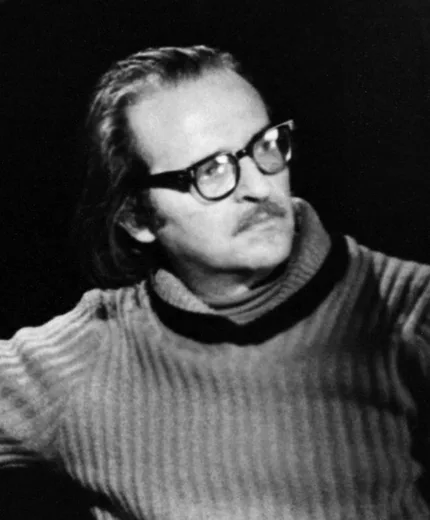
Sidney Lumet directed forty-four feature films across five decades, including 12 Angry Men, Serpico, Dog Day Afternoon, Network, The Verdict and, at eighty-three, Before the Devil Knows You're Dead. He was nominated for the Academy Award for Best Director five times and received an Honorary Award in 2005.
He came to film from live television drama in the 1950s, which is where the discipline came from — that medium permitted no waste and no second attempt, and Lumet carried its economy into features for the rest of his career. He was known for shooting fast, preparing exhaustively, and delivering on schedule.
Making Movies was published in 1995 and is widely regarded as one of the two or three best books ever written about directing. He was born in Philadelphia in 1924 and died in New York in April 2011, aged eighty-six.
Get your copy
Making Movies
Where the proceeds go
Some book links on this site earn a commission. Every penny of it goes to the American Cancer Society.
The American Cancer Society funds cancer research, runs free patient-support programs, provides lodging for patients traveling for treatment, and staffs a 24-hour helpline. You do not need to buy a book to help.
This review contains affiliate links. As an Amazon Associate I earn from qualifying purchases, and all commission is donated — details on my disclosure page.