Why Netflix, Amazon, Apple & Co. Are Spending Billions of Dollars on Original Content
Broadcasters, studios and streamers are out-spending each other to win subscribers. With the first casualties surfacing and no clear winner in sight, we look at the economics of content and why the war chests will only get bigger.
By Tobias Jaeger · First published on Medium on · 2017 interview · Exact recording date unconfirmed
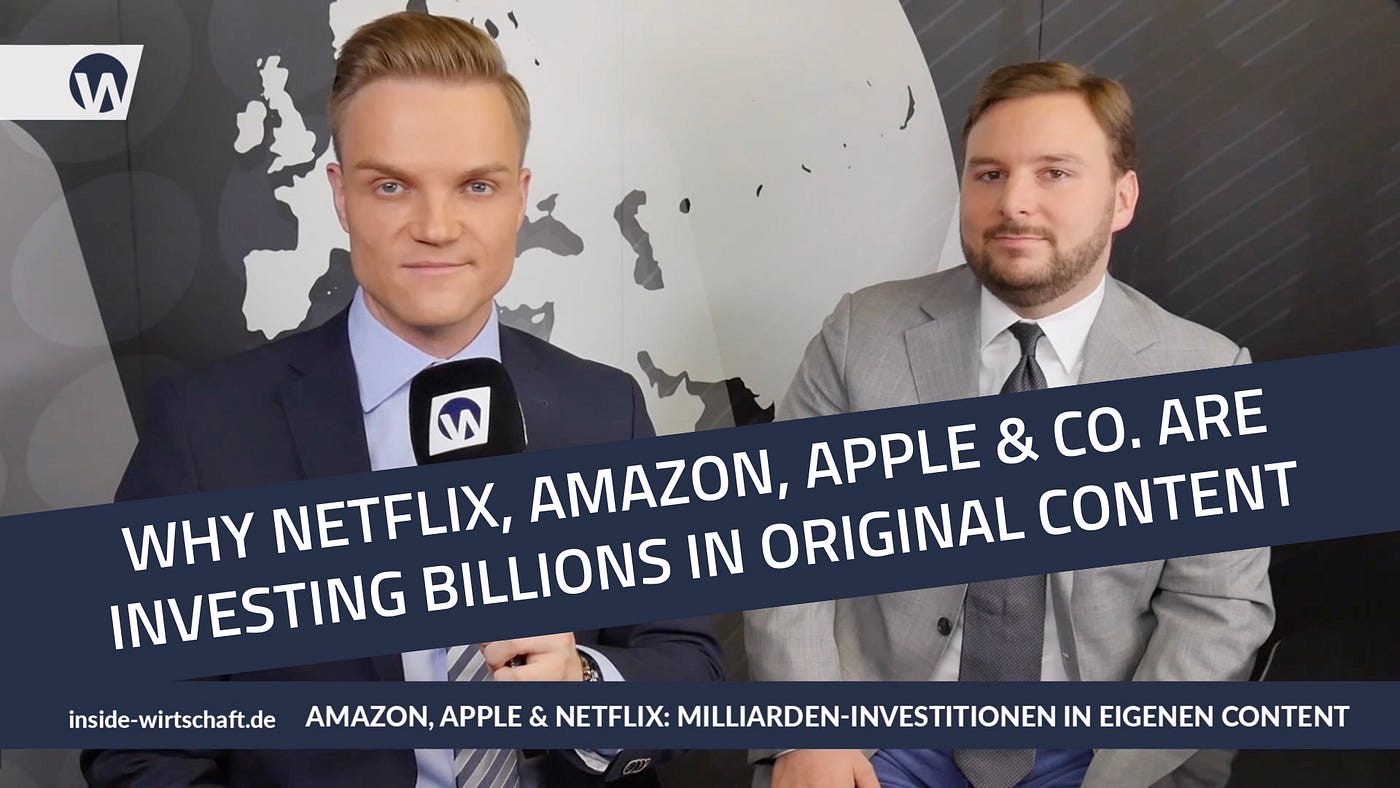
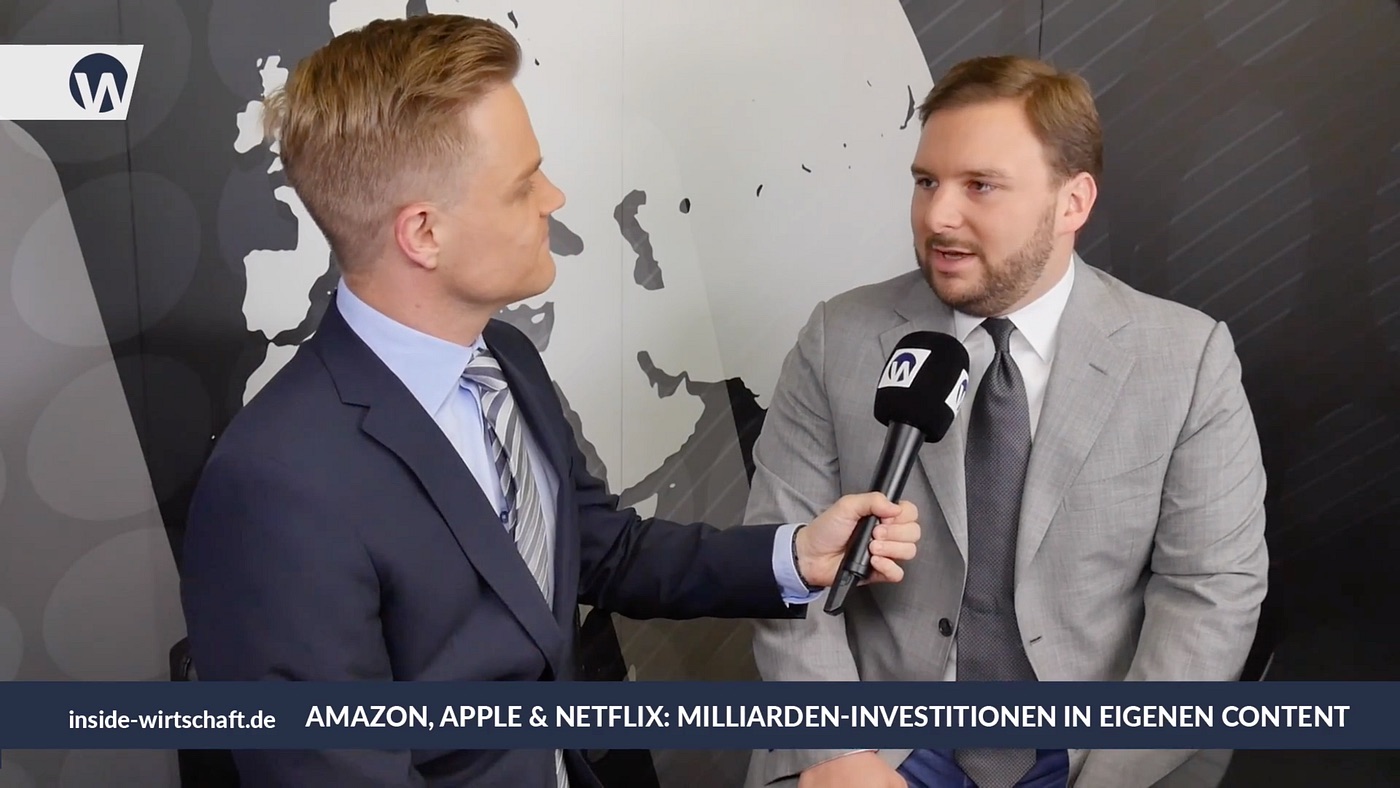
Manuel Koch (left) and Tobias Jaeger on Inside Wirtschaft, September 2017. Still: Inside Wirtschaft
Tobias Jaeger sat down with Inside Wirtschaft editor-in-chief Manuel Koch to discuss the trends and shifts in the media and entertainment industry. With big tech companies such as Apple, Amazon, Facebook, Snapchat and Netflix all pursuing their own global content strategies, Manuel Koch asked Tobias Jaeger why they are investing a combined double-digit billion-dollar sum in original content.
“Owning the rights is the Holy Grail. That’s what everyone is after. Controlling rights is the name of the game.”
The original interview in German on Inside Wirtschaft’s YouTube channel.
The conversation below is a translation of the interview, which was recorded in German.
Manuel Koch: Ladies and gentlemen, welcome to Inside Wirtschaft. Today we are looking at the shifts and changes in the media industry. Companies like Apple announce they will spend more than $1 billion on content; Netflix will spend more than $7 billion this year on original content. Joining me now is investment banker Tobias Jaeger of AXIOM Venture Capital. Thank you for being here. What is driving this change?
Tobias Jaeger: There is a lot of pressure on companies like Apple and Netflix to keep growing their subscriber numbers. Apple might have a slight advantage in launching something new thanks to its existing subscriber base on iTunes, which many people already know well, but its focus so far has been music, so it has to make sure it doesn’t fall behind in video. Netflix has been very strong in that segment for a long time, partly because it started as a DVD rental business with millions of subscribers and then found new growth when it switched to streaming. Both Netflix and Amazon Prime, which is attacking it, have to keep investing in original content to attract more subscribers.
“So there are only two options: create something for everyone or find a niche to own and go deep.”
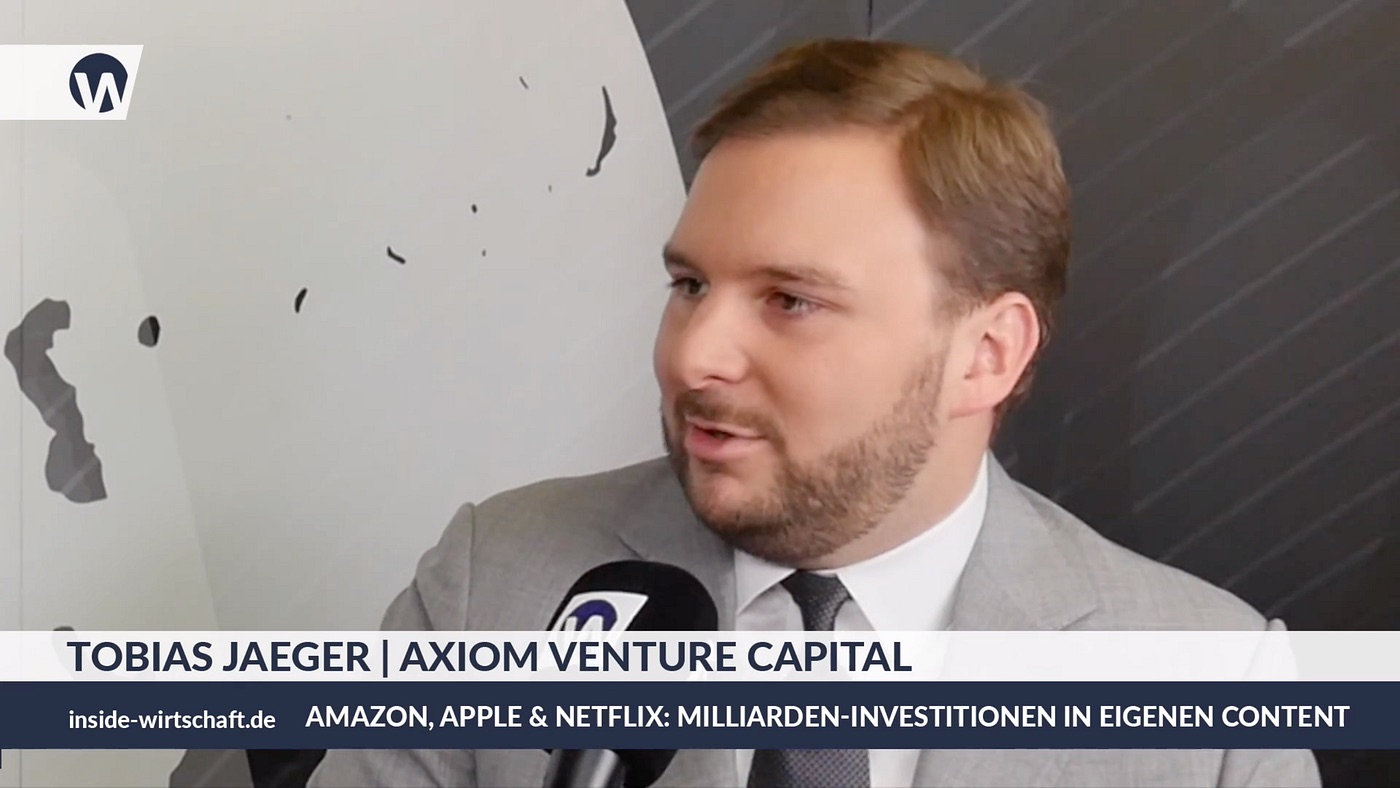
Tobias Jaeger, then at AXIOM Venture Capital. Still: Inside Wirtschaft
Manuel Koch: Snapchat is looking at doing the same; it announced it will invest in original content. Is that a necessary expense to create loyal customers?
Tobias Jaeger: Yes. Users, or subscribers, are used to getting a lot of content, pretty much immediately and in unprecedented breadth. There are so many areas of interest, and every person wants individualised content. So there are only two options: create something for everyone or find a niche to own and go deep. For Snapchat, that means keeping an eye on what makes sense to offer through its app, or now its glasses, that makes people happy and keeps them using its products.
Manuel Koch: What about the rights? They are increasingly the most important piece of the puzzle. Are those rights sold at some point or held indefinitely?
Tobias Jaeger: That is exactly why Netflix, Amazon and the others are investing so much: to own the rights to the programmes. Only when they own the rights can they control the exploitation, and then they are not dependent on existing deals made with content buyers. Owning the rights is the Holy Grail. That’s what everyone is after. Controlling rights is the name of the game.
Manuel Koch: So are market leaders like Netflix and Amazon also the new power producers in the industry?
“Only when they own the rights can they control the exploitation and they are not dependent on existing deals that have been made with content buyers.”
Manuel Koch interviewing Tobias Jaeger. Still: Inside Wirtschaft
Tobias Jaeger: They are certainly very hot at the moment. They are producer, buyer and financier in one. That is very interesting for producers who approach them and say, ‘Have a look at our show, let us know if you are interested.’ Everyone wants to work with them now, and for good reason. The most prominent example is House of Cards. When the producers wanted to make the show, they approached every single broadcaster and studio. Everyone said no. Netflix didn’t. They said, ‘We love it, let’s do it.’ That may be because they have different insights into user behaviour and tastes. We all know this from Amazon, where you always get product recommendations based on your purchases. You can do the same with content: after you have watched a couple of things, they can predict with acceptable accuracy what else you might be interested in. In that sense, Amazon and Netflix have a huge head start because they already know their customers well. Studios and broadcasters, who usually don’t have a direct relationship with their customers, get very little feedback by default and have to buy the insights after the fact. Netflix and Amazon get those insights almost for free.
“In addition, the new content players don’t have the expensive burden of a legacy or historical cost of the last 50 years like old broadcasters and some studios.”
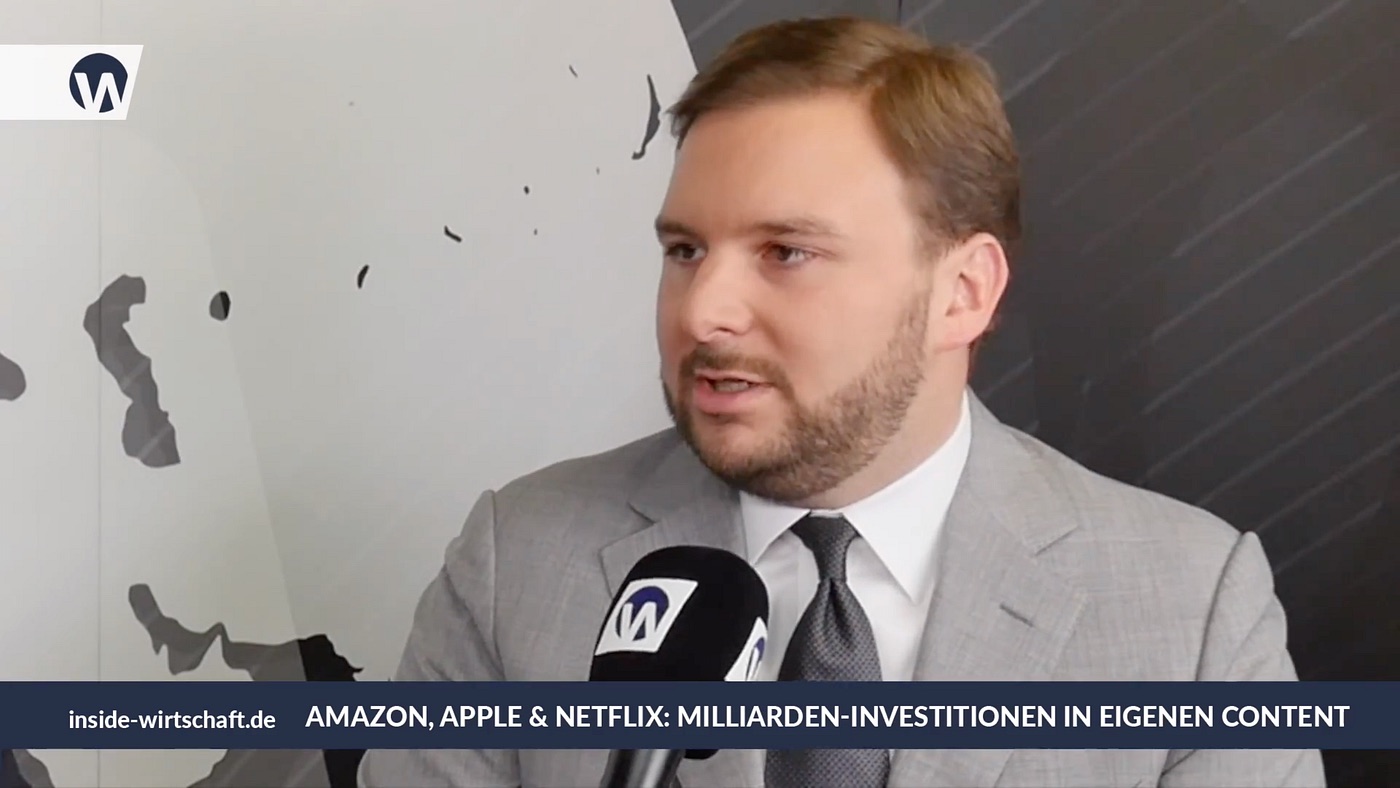
Tobias Jaeger on what viewing data gives Netflix and Amazon. Still: Inside Wirtschaft
Manuel Koch: So in the long term, Amazon and Netflix stock could increase in value substantially?
Tobias Jaeger: For sure. It is a huge competitive advantage to generate these insights in-house, use them to test new ideas and concepts, and get almost immediate feedback from paying users. That makes developing and producing content more efficient, which in turn helps them offer a wide slate globally. In addition, the new content players don’t carry the expensive legacy or historical costs of the last 50 years, as old broadcasters and some studios do.
Manuel Koch: As we can see, there is a big shift happening in the media industry. Tobias Jaeger of AXIOM Venture Capital, thank you very much for being here. And you, ladies and gentlemen, thank you for watching.
This historical conversation is presented in its original context. The exact recording date has not been independently confirmed; the video’s publication date does not establish when it was recorded. Manuel Koch is a German TV host, stock market commentator and CEO of Inside Wirtschaft.
Sky Moore — entertainment tax, film deal structure and why final agreements matter
Added to Media CFO on 25 October 2026 from the original Medium post, with a link to the original German interview on YouTube. Spelling and small grammar slips are corrected and stock-quote links are removed; the wording is otherwise unchanged.
Keep exploring
Research, insights and market context.
Two more ways to follow the business of entertainment.
Entertainment Wire
News · Deals · Company research
Research and insights for the entertainment business.
Track news and deals, research companies and explore reports, with links to the original sources.

 Watch on YouTube
 Entertainment Wire