
 Watch on YouTube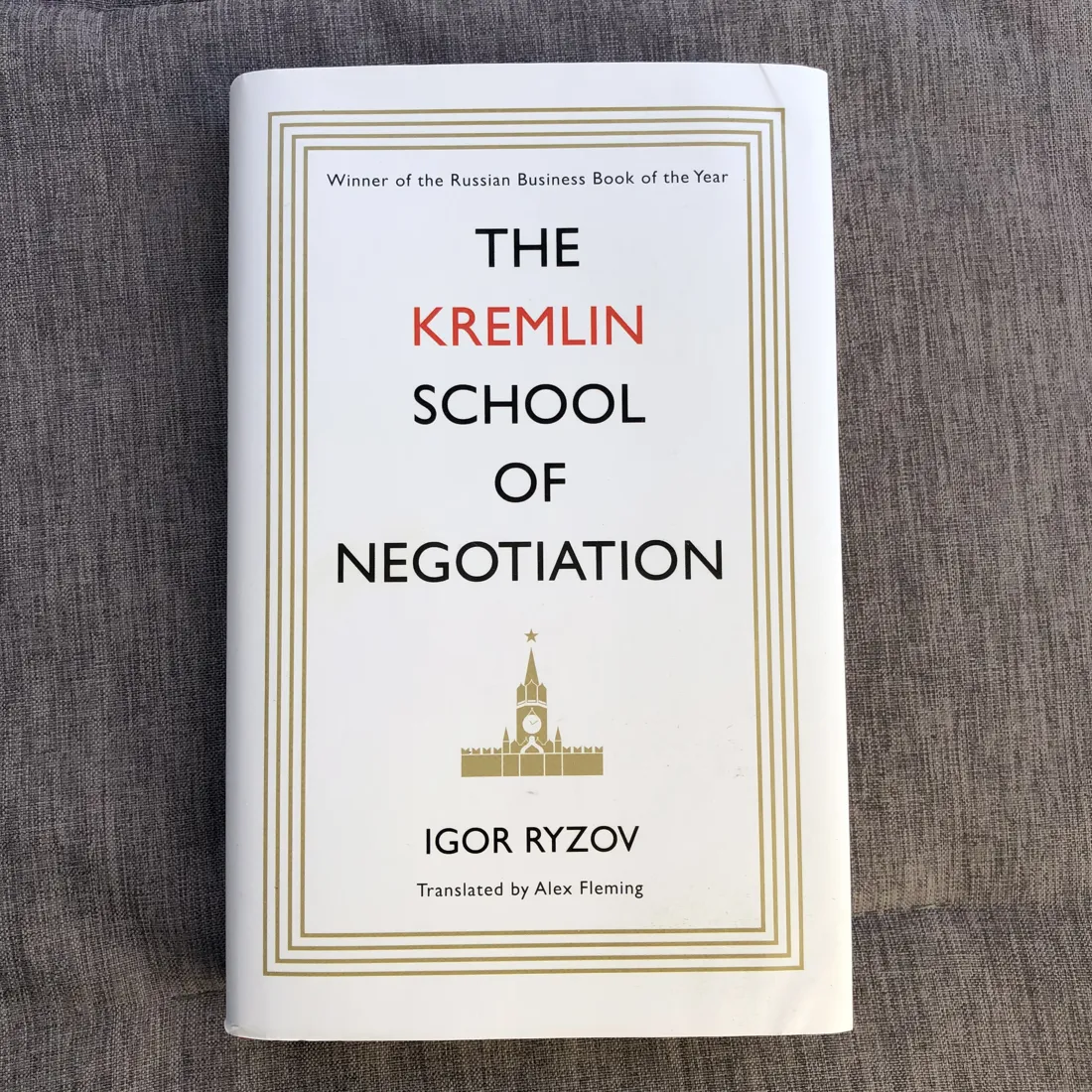
Most negotiation books are written by people who want you to win warmly. Get to yes, expand the pie, find the shared interest. It is good advice and I use it most days.
But every so often you sit across from someone who did not read that book. They are not looking for a mutually beneficial outcome. They are looking to see how much you will give up before you notice you are giving it up. Ryzov's book is about that person — and about not becoming them.
What the book actually covers
The framing device is a piece of folklore: that a distinct school of hard negotiation grew up in Russia in the 1920s and never really went away. Treat that as packaging. What sits underneath is a practical manual on holding position under pressure, written by someone who has spent nearly two decades training people to do it.
The spine of the book is a set of postulates, and the first one is the one most readers need. Stay quiet. Listen. Ryzov's point is not that silence is polite — it is that people cannot tolerate it, and the person who fills the gap is the person handing over information for free. Anyone who has sat opposite a professional buyer has met this technique from the receiving end, usually without recognizing it.
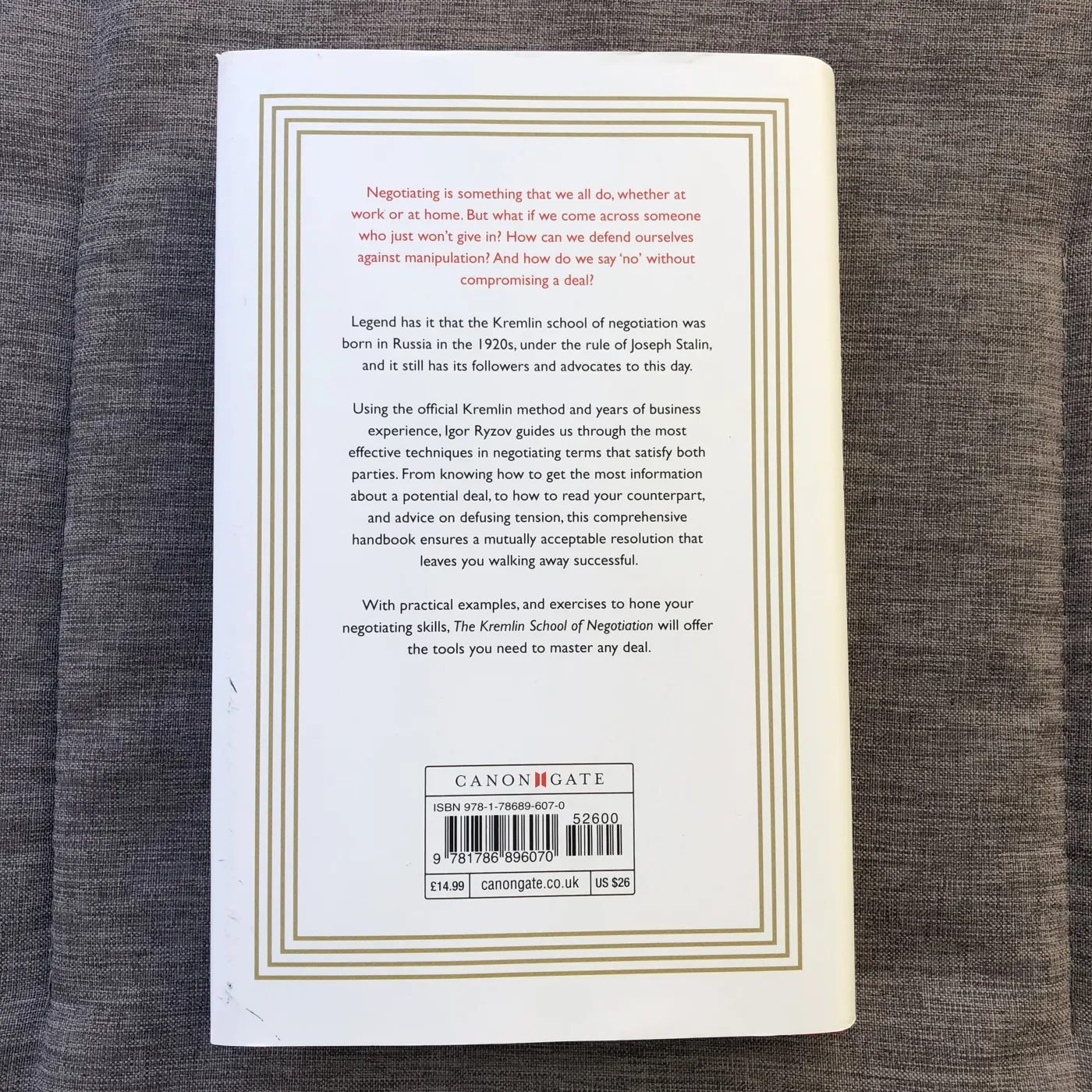
From there the book works through reading your counterpart's actual motive rather than their stated one, defusing tension without conceding ground, and saying no in a way that does not end the relationship. The final stretch turns to cross-border practice, with chapters on how the same conversation runs differently in France, Germany, Italy, China, the US and the Arab world.
There are exercises. I would use them. This is a book that rewards being worked through rather than read through.
Why you should read it
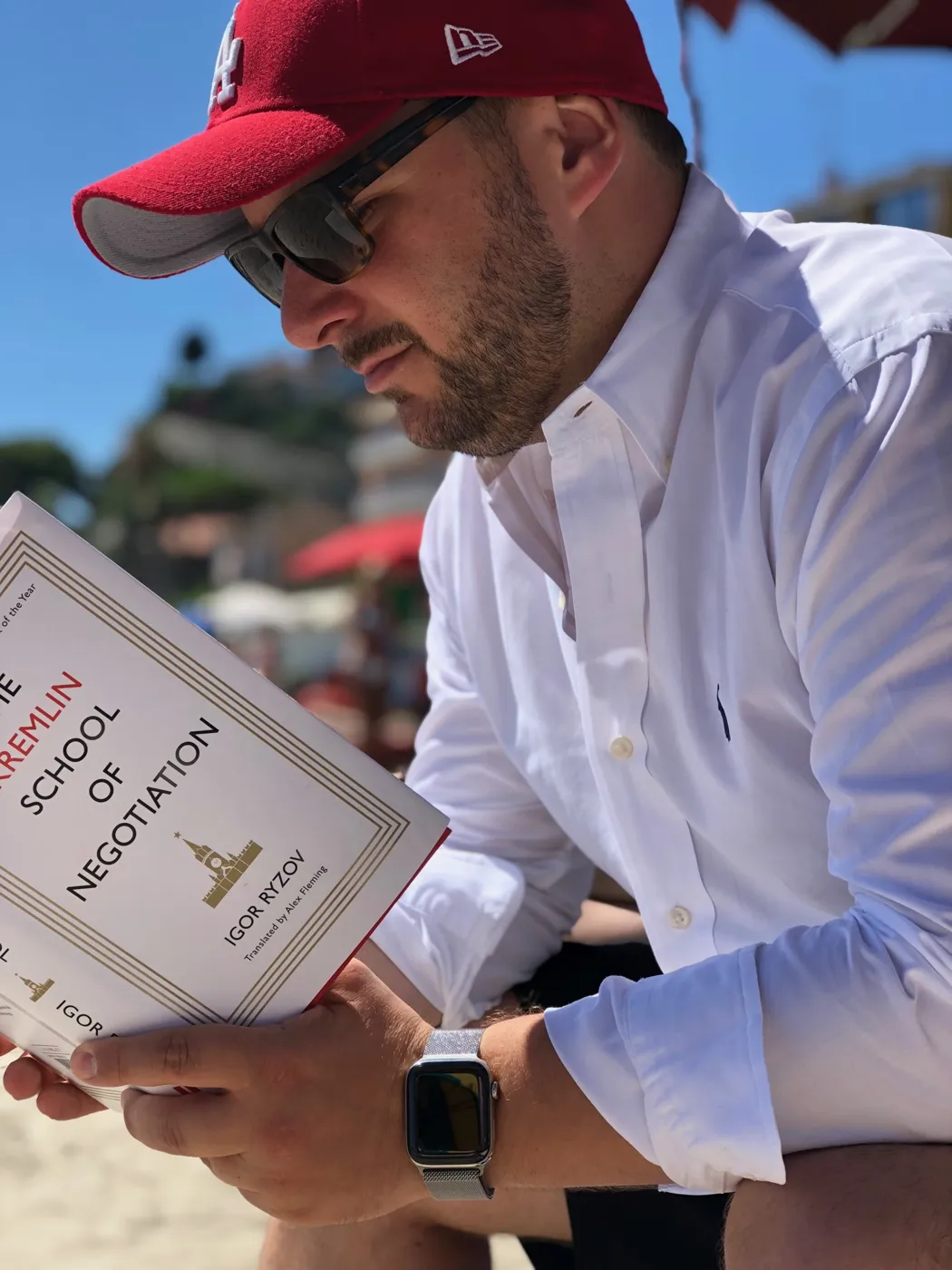
If you negotiate for a living — term sheets, supplier contracts, salary, licensing, anything where the other side has done this more often than you have — this is a useful counterweight to the softer Anglo-American canon.
It is particularly good on the situation nobody trains for: the negotiation where the other party is not acting in good faith, and where "let's find a win-win" is being used against you as a lever. Ryzov gives you a vocabulary for recognizing it in the room rather than in the taxi afterwards.
The cross-cultural chapters earn their place too. If you work between Europe and the US, you already know that the same sentence carries different weight in Munich and in Los Angeles. It is useful to see that written down by someone from neither.
Key takeaways
- Silence is a position, not an absence of one. The person who talks to fill the gap is the person conceding information.
- Establish the real motive early. The stated reason for a demand is rarely the operative one, and everything downstream depends on which you are answering.
- You can decline without detonating the relationship. Saying no is a technique with a structure, not a failure of rapport.
- Preparation is most of the work. The Russian proverb Ryzov leans on is about measuring seven times before you cut — the negotiation is largely decided before anyone sits down.
Meet the author
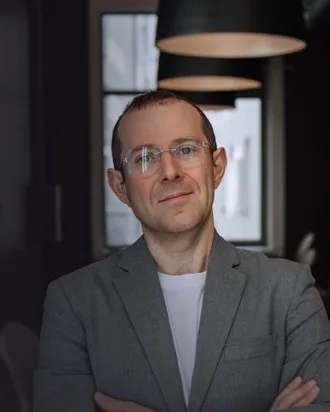
Igor Ryzov has been teaching business technology since 2006 and works as a business coach for companies across Russia. He runs both open-enrollment and corporate programs under the banner of "Hard Negotiations" — the training practice is the day job, and the book is the distillation of it rather than a side project.
The Kremlin School of Negotiation first appeared in Russian in 2016, published by Eksmo, and won that year's PwC award for the best business book in the Russian language. The English edition followed in 2019 from Canongate, translated by Alex Fleming — a translator who came to it from Russian and Swedish literary work, which may explain why the prose reads better than most books in this category.
It is worth saying plainly that this is a book written from inside a business culture that many Western readers will approach with reservations. I would read it anyway, and read it as what it is: a serious practitioner's account of a negotiating tradition that you are more likely to encounter than to choose.
Get your copy
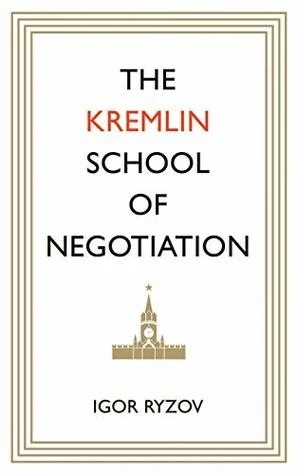
The Kremlin School of Negotiation
Where the proceeds go
Some book links on this site earn a commission. Every penny of it goes to the American Cancer Society.
The American Cancer Society funds cancer research, runs free patient-support programs, provides lodging for patients traveling for treatment, and staffs a 24-hour helpline. You do not need to buy a book to help.
This review contains affiliate links. As an Amazon Associate I earn from qualifying purchases, and all commission is donated — details on my disclosure page.