
 Watch on YouTube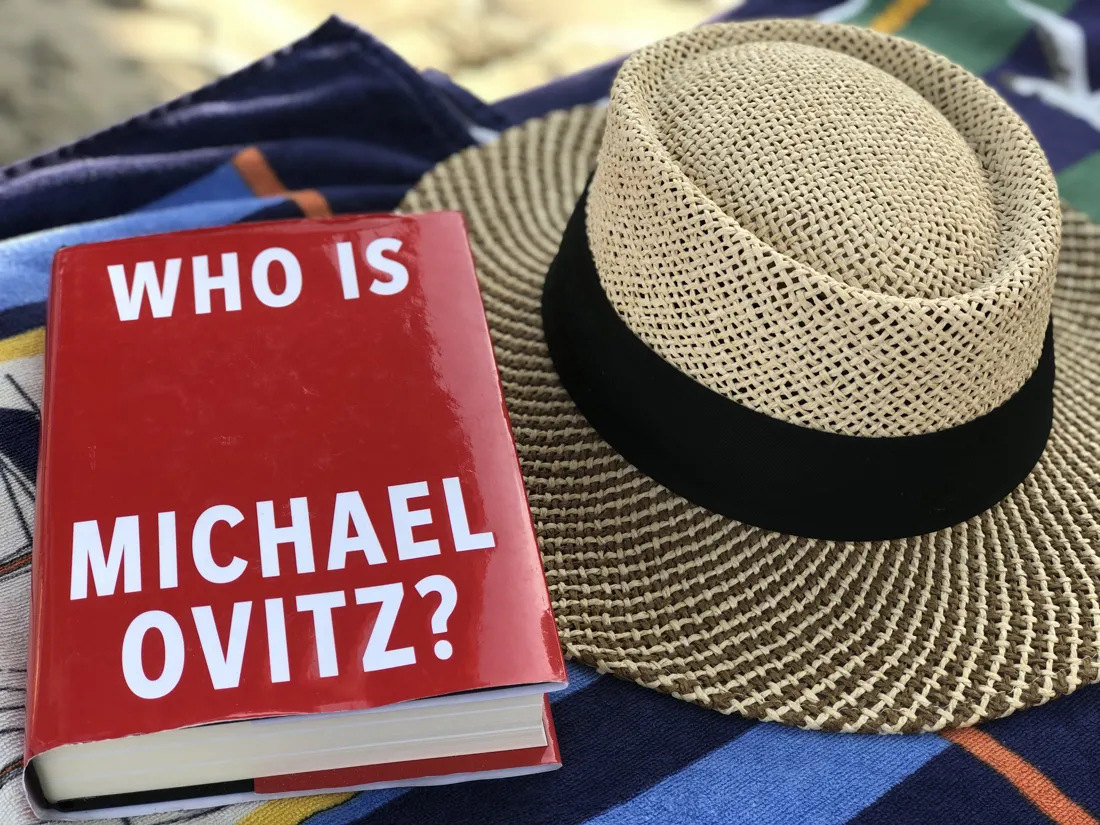
There is a particular kind of book that only exists because someone got tired of being described by other people.
Michael Ovitz built the most powerful talent agency in the world, ran Disney for fourteen months, and then spent two decades being characterised by everyone except himself. In 2018 he answered. The result is the rare business memoir that is more useful than the books written about its subject — not because it is more accurate, but because you can watch a dealmaker construct his own case in real time.
What the book actually covers
The arc is in the subtitle: the rise and fall, and rise. A middle-class kid from Encino talks his way into the William Morris mailroom, walks out in 1975 with four colleagues to found Creative Artists Agency, and spends twenty years building it into the firm that represented Spielberg, Scorsese, Streep, Connery, Murray and Letterman — and that rewrote how the industry assembles and prices a project.
Then the fall. He leaves CAA for the presidency of the Walt Disney Company in October 1995 and is gone by January 1997. Ovitz is unusually direct about this stretch, and about the people he holds responsible — Michael Eisner, Ron Meyer, and Jay Moloney, the protégé whose story is the saddest thing in the book.
The third act is the one most readers do not expect. Ovitz reinvented himself in Silicon Valley as an investor and advisor, and he is clear-eyed about what the second career gave him that the first did not.
The most quoted line in the book is his own audit of the cost. Reflecting on thirty years, he concludes he could have worked twenty per cent less without losing anything that mattered. Ten per cent less across three decades returns you three years of your life. That is a CFO's calculation, arrived at far too late, by someone with every incentive to have arrived at it earlier.
Why you should read it
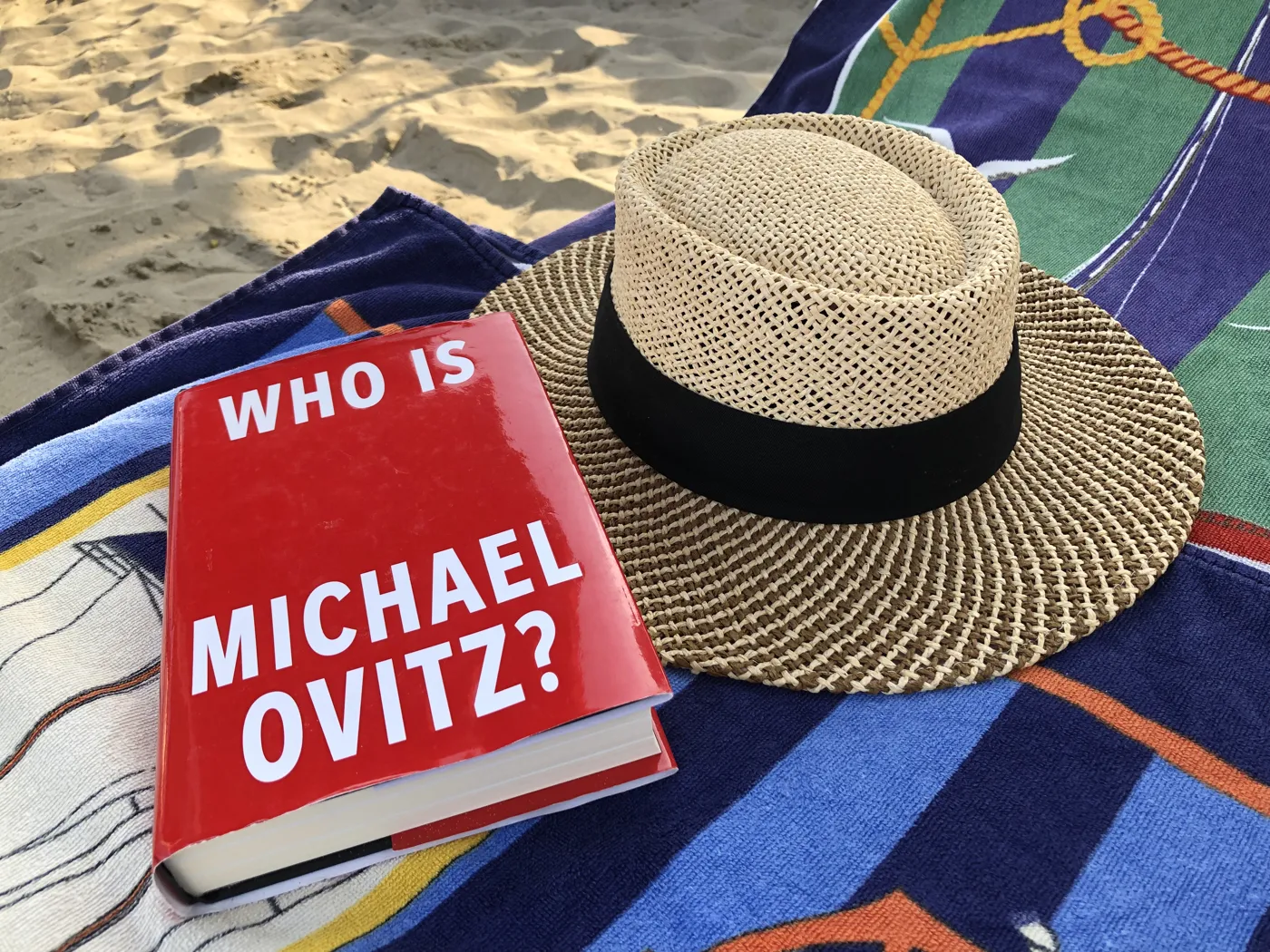
Read it for the mechanics. Ovitz is precise about how leverage is actually built — starting by doing work nobody asked for, until the people receiving it cannot function without you, and only then repricing. He describes this without embarrassment, which is what makes it instructive.
Read it also as the counterpart to Powerhouse. James Andrew Miller's oral history gives you CAA from several hundred angles, several of them hostile. Ovitz gives you the same events from inside one head. Neither is the truth. Read together, the gap between them is the education — this is essentially a diligence exercise with better anecdotes.
And read it for the ending, which is unusual for the genre. Most moguls' memoirs conclude that it was all worth it. Ovitz concludes that he misses the people, that the camaraderie was the actual asset, and that he noticed too late. Whether you find that moving or self-serving is the interesting question, and the book leaves it open.
Key takeaways
- Leverage begins as unpaid service. Make yourself structurally necessary first; price it second. Ovitz is unusually explicit about the sequence.
- Know the history of the industry you are in. He treats this as a competitive advantage rather than a courtesy, and the book demonstrates why.
- Prestige and power are different instruments. The Disney presidency looked like the bigger job and was the smaller one. Title is not leverage.
- The compounding cost is time, and it is invisible until it isn't. Twenty per cent less work, no worse outcome. Worth reading that line twice.
Meet the author
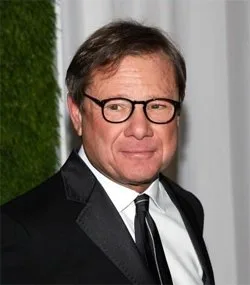
Michael Ovitz co-founded Creative Artists Agency in 1975 and served as its chairman until 1995, growing it from five men in an empty office to the agency representing over a thousand actors, directors, musicians and writers. During that period he also brokered the sale of three Hollywood studios and handled marketing for Coca-Cola. He was President of the Walt Disney Company from October 1995 to January 1997.
The second career is the less familiar one and arguably the more consequential. Ovitz has invested in more than two hundred companies across two decades, has served as a senior advisor to Palantir Technologies for over ten years, and was involved in developing the corporate architecture behind Andreessen Horowitz. He has advised venture firms for more than thirty years — which makes the Hollywood chapters, in retrospect, the first half of the story rather than the whole of it.
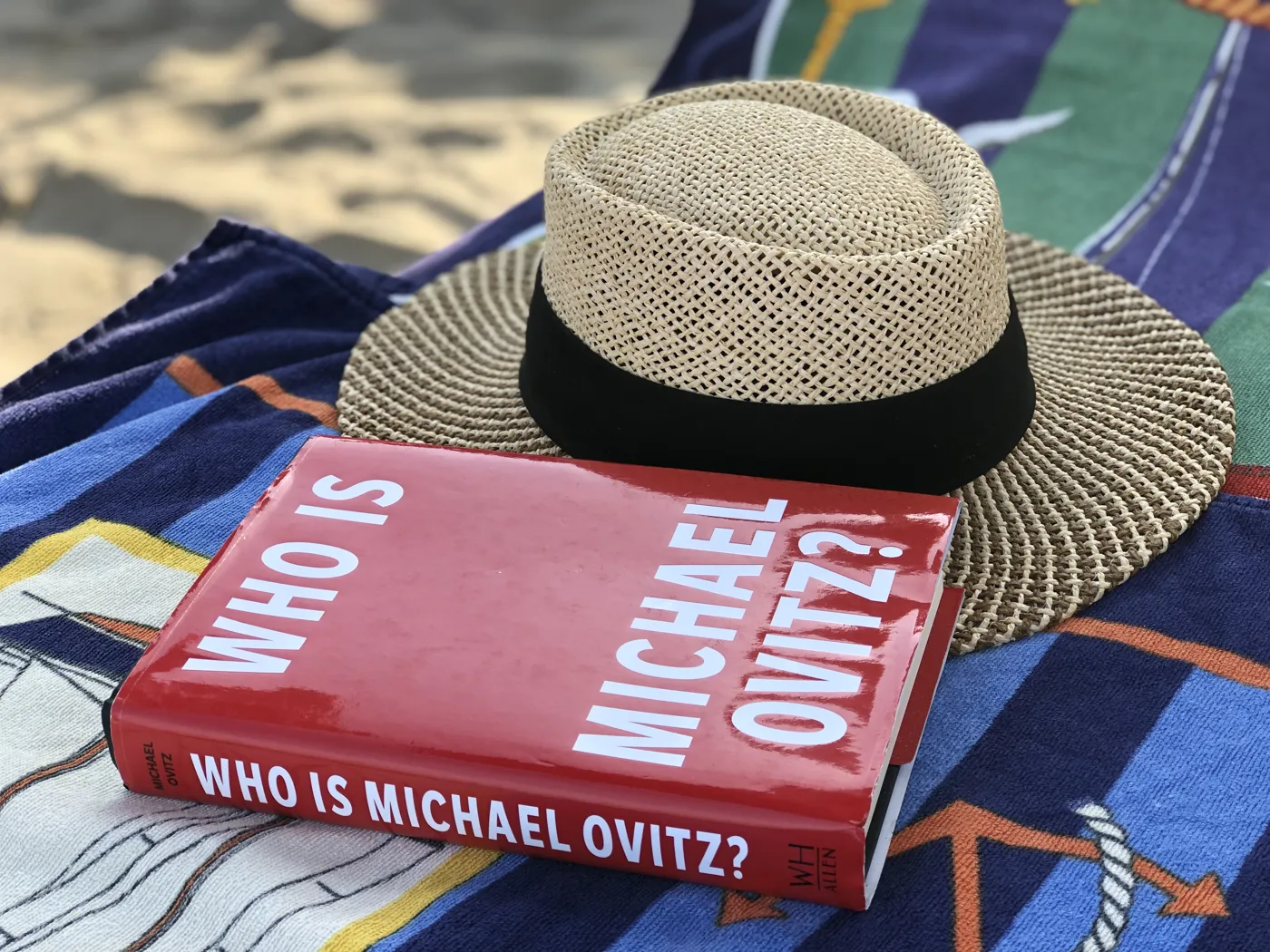
Who Is Michael Ovitz? was published in 2018 and longlisted for the Financial Times and McKinsey Business Book of the Year Award.
Get your copy
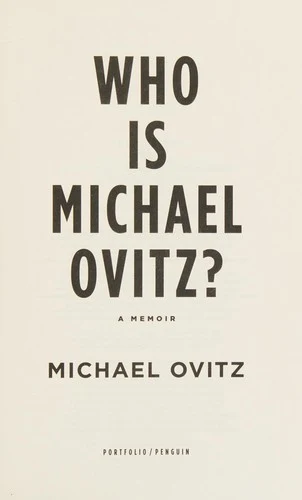
Who Is Michael Ovitz?
Where the proceeds go
Some book links on this site earn a commission. Every penny of it goes to the American Cancer Society.
The American Cancer Society funds cancer research, runs free patient-support programs, provides lodging for patients traveling for treatment, and staffs a 24-hour helpline. You do not need to buy a book to help.
This review contains affiliate links. As an Amazon Associate I earn from qualifying purchases, and all commission is donated — details on my disclosure page.