 Watch on YouTube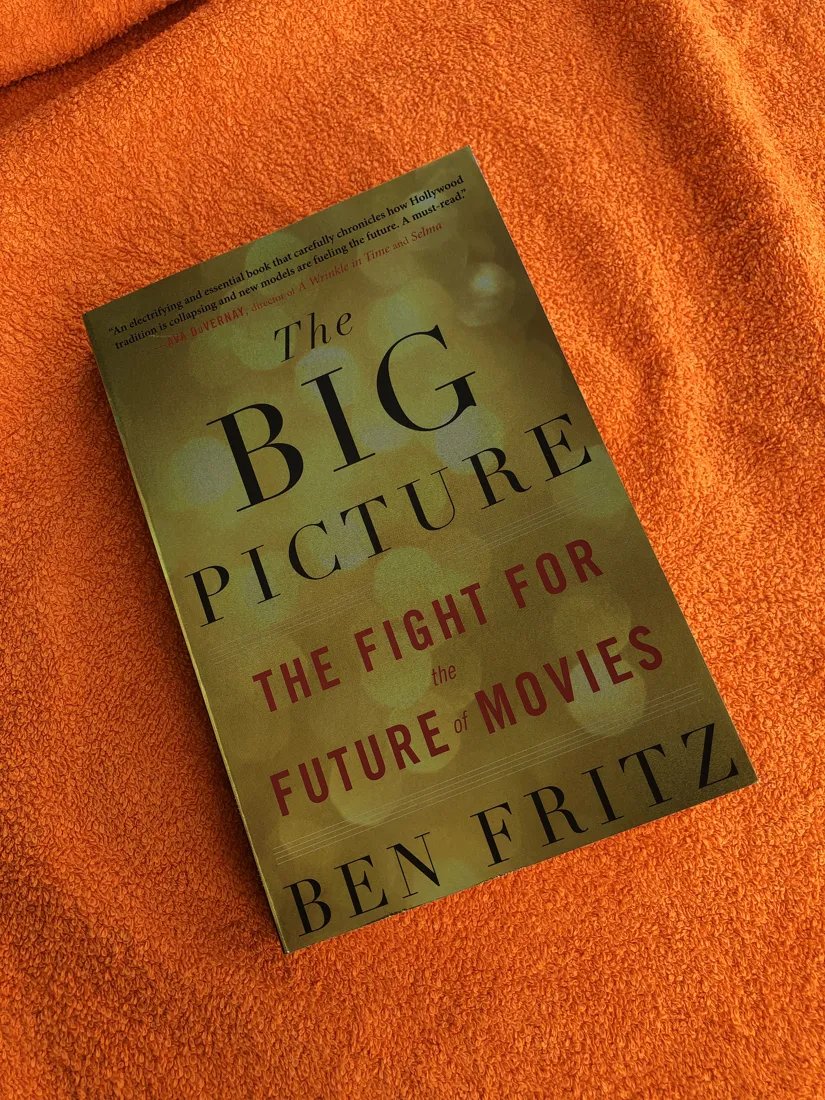
In late 2014, someone broke into Sony Pictures and dumped the contents of the studio onto the internet. Most of the coverage went to the embarrassing emails about movie stars.
Ben Fritz read the budgets instead. What he found there became the best book written this century about how the film business actually works — and about how a major studio can do everything it has always done, competently, and still lose.
What the book actually covers
The spine of the book is a contrast between two studios and two executives. At Sony, Amy Pascal ran the model Hollywood had run for fifty years: relationships with stars, mid-budget films for adults, a slate assembled on taste and judgement. At Marvel, a company that had recently been bankrupt built something entirely different — interlocking franchise properties, characters as durable assets, films as instalments in a system rather than individual bets.
One of those models is now the industry. The other has more or less ceased to exist.
Fritz reports it from inside, using the leaked Sony material as a primary source in a way no outsider has previously managed — actual budgets, actual internal arguments, actual post-mortems on films that did not work — alongside interviews at Marvel, Netflix, Disney and Amazon. The result is a book with receipts rather than opinions.
The chapters on Adam Sandler's output deal and on the mechanics of star compensation are the ones people quote. The chapters on how Marvel structured its rights and its production pipeline are the ones that matter.
Why you should read it
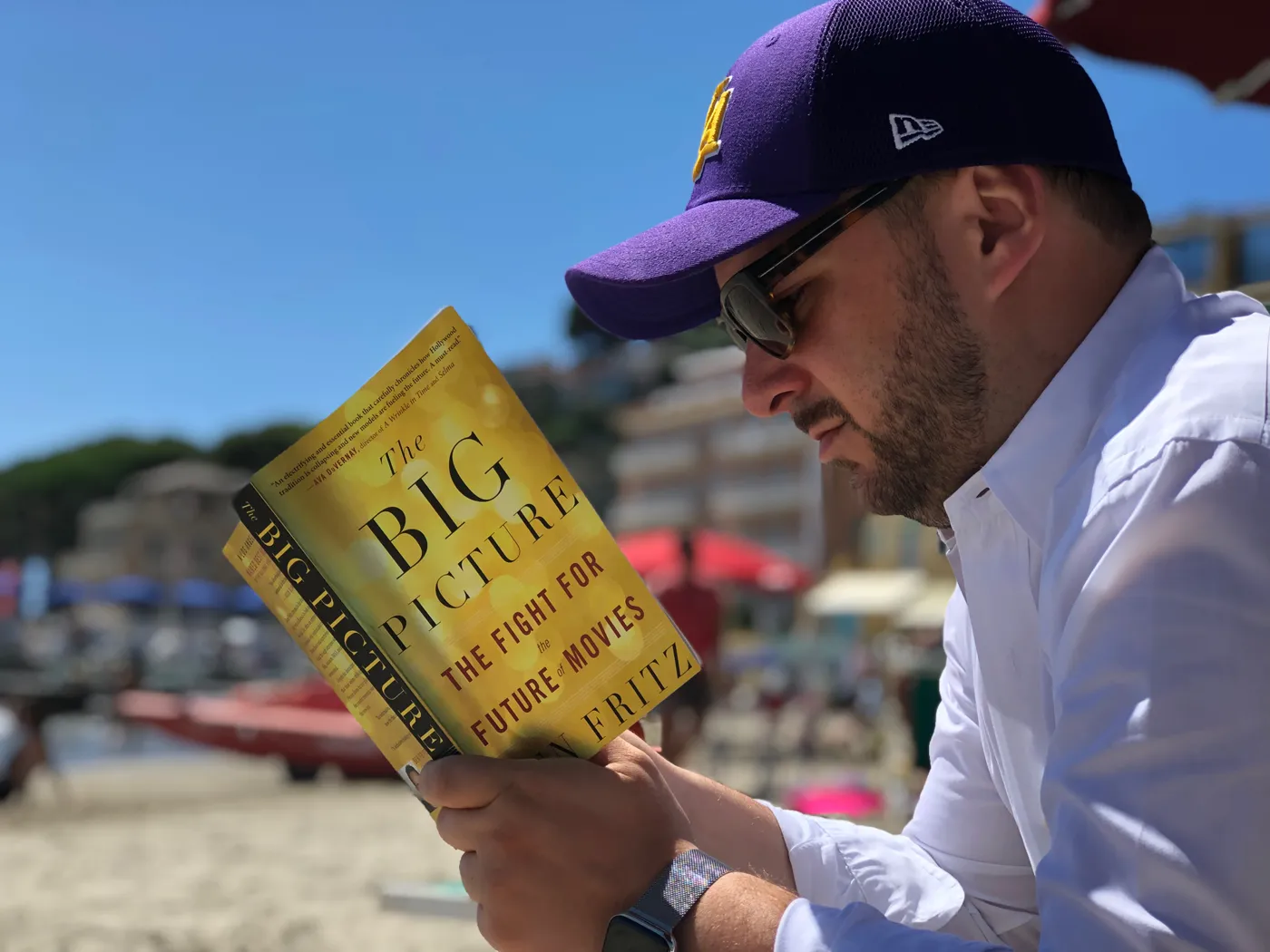
Read it as the case study that follows Anita Elberse's argument. Blockbusters made the theoretical case in 2013 that concentration beats diversification. Fritz shows you the same decade from inside the studio that did not concentrate, with the internal documents attached. Read them together and you get the thesis and the evidence.
Read it if you value IP. The central lesson is that the asset was never the film — it was the character, the rights position and the pipeline. Sony had extraordinary talent relationships and no system. Marvel had a system. Twelve years later, only one of those is a business model.
And read it for the method. This is a financial journalist working from documents rather than from access, which produces a very different book from the standard Hollywood narrative. Nobody in it is protecting a relationship for the next interview.
Key takeaways
- The unit of value moved from the film to the franchise. Once characters became durable assets, individual films became instalments, and the economics changed underneath everyone.
- Star power was collateral, and it depreciated. The compensation structures built around it survived long after the returns that justified them did not.
- Competence is not a strategy. Sony was run by capable people making defensible individual decisions inside a model that had stopped working.
- Documents beat access. The most revealing material here was never meant to be read, which is exactly why it is worth reading.
Meet the author

Ben Fritz covers the entertainment industry for the Wall Street Journal, a beat he returned to in 2025 after six and a half years in editing roles — including as the Journal's Artificial Intelligence Editor and its West Coast news editor. Before the Journal he covered Hollywood for the Los Angeles Times and for Variety.
The Big Picture was published in 2018 by Houghton Mifflin Harcourt, became a Los Angeles Times bestseller, and won that year's National Arts & Entertainment Journalism Award for non-fiction from the Los Angeles Press Club. He is also co-author of All the President's Spin, which grew out of a media-criticism blog he co-founded.
The return to the entertainment beat is worth noting for anyone reading the book now. Fritz spent the intervening years editing coverage of artificial intelligence, and has come back to Hollywood at precisely the moment those two subjects stopped being separate ones.
Get your copy
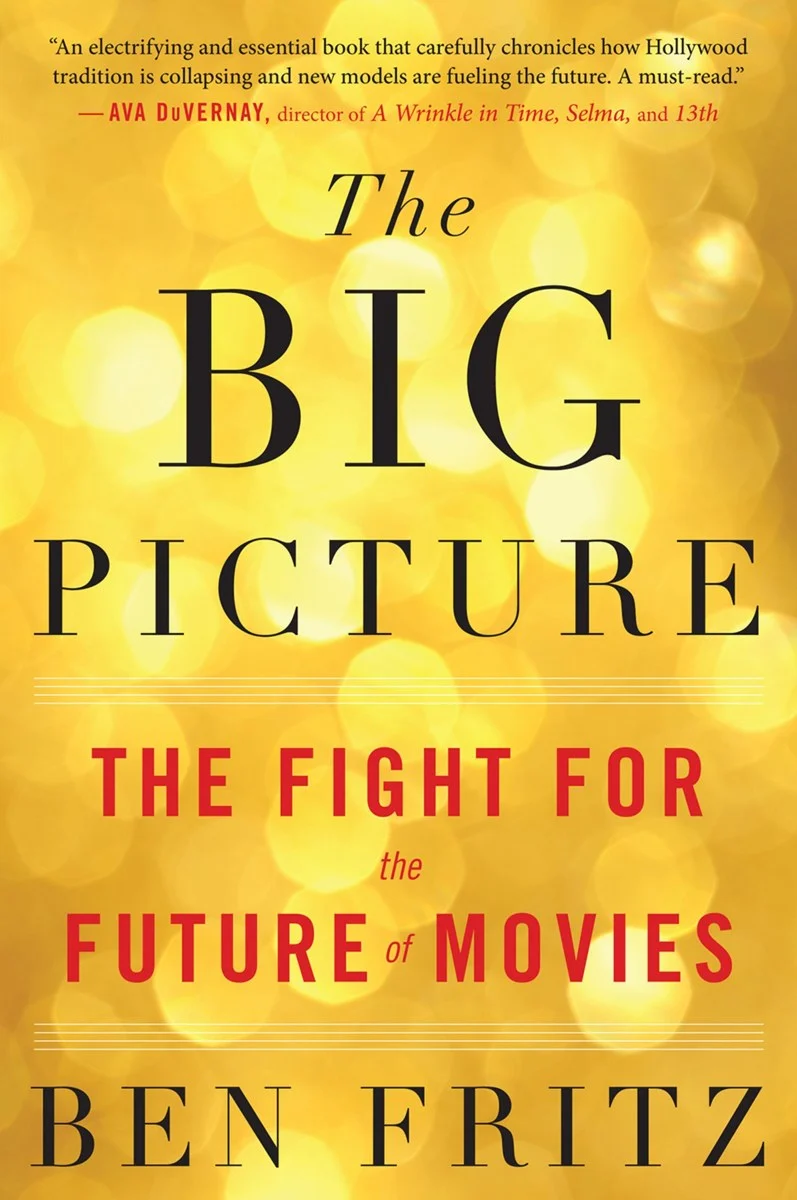
The Big Picture
Where the proceeds go
Some book links on this site earn a commission. Every penny of it goes to the American Cancer Society.
The American Cancer Society funds cancer research, runs free patient-support programs, provides lodging for patients traveling for treatment, and staffs a 24-hour helpline. You do not need to buy a book to help.
This review contains affiliate links. As an Amazon Associate I earn from qualifying purchases, and all commission is donated — details on my disclosure page.