
 Watch on YouTube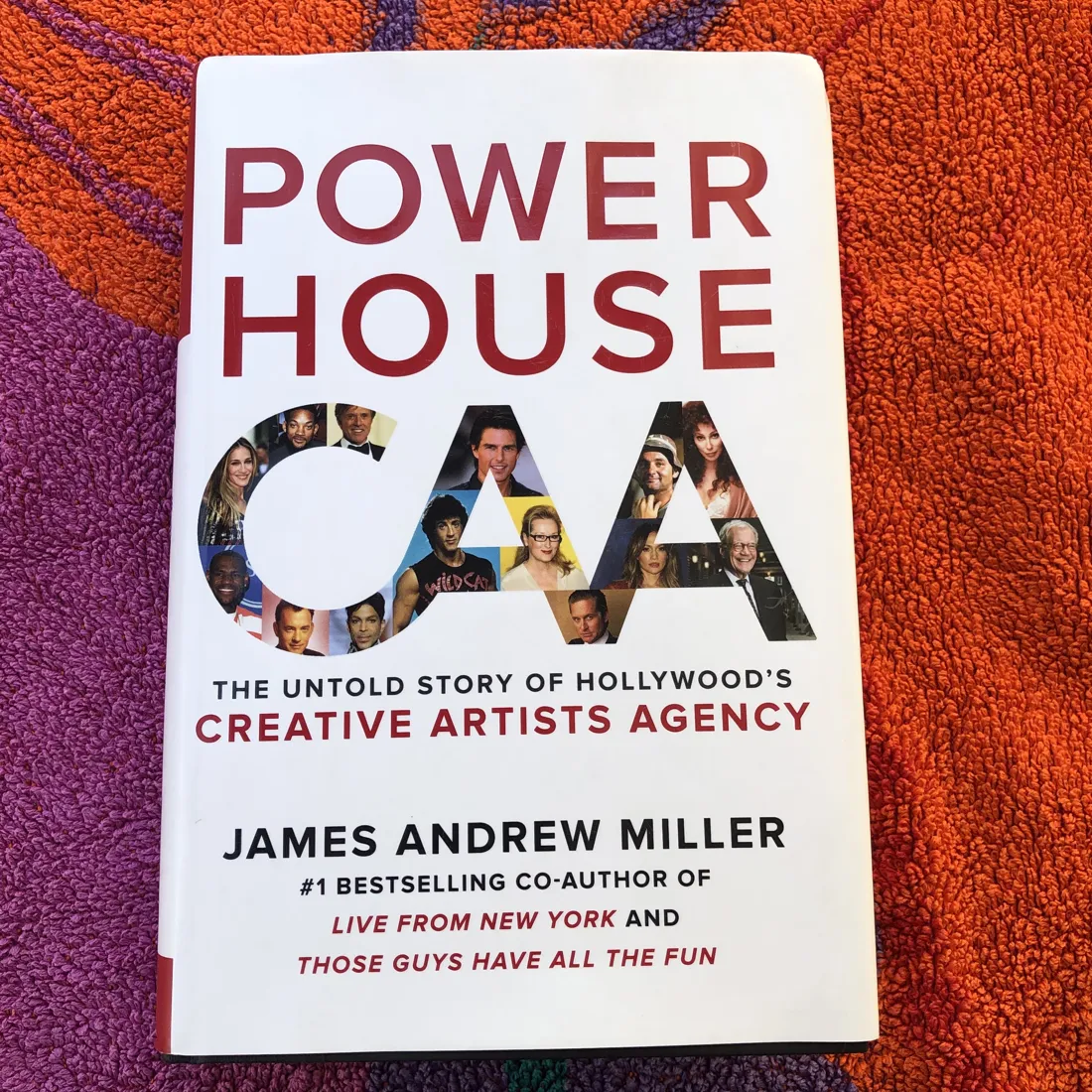
In 1975, five agents walked out of the William Morris Agency, pooled what money they had, and set up folding tables in a room with no furniture. One of their wives answered the phones.
Within fifteen years they had restructured how the entertainment industry allocates talent, packages projects and prices risk. If you want to understand where leverage actually sits in media — not where the org chart says it sits — this is the book.
What the book actually covers
Powerhouse is an oral history. Miller does not narrate; he assembles. Several hundred voices — founders, agents, rivals, clients, executives, the people who were fired — are cut against each other so that the same events arrive from three incompatible directions at once.
The through-line is the rise of Creative Artists Agency from that empty room to the dominant position in entertainment, and the invention along the way of the packaging model: the agency assembling writer, director and cast from its own client list and selling the assembled product, taking a fee on the package rather than only a commission on the individual.
That single structural innovation is why this book belongs on a finance shelf rather than a showbusiness one. Packaging changed who captures value in the production chain, and the arguments about it — including the litigation that eventually followed — run directly out of the model these five people built at those folding tables.
Michael Ovitz dominates the middle of the book, and the sections on his departure and the succession that followed are the most instructive. Institutions built around one person have a characteristic failure mode. You can watch it happen here in real time, narrated by the people it happened to.
Why you should read it
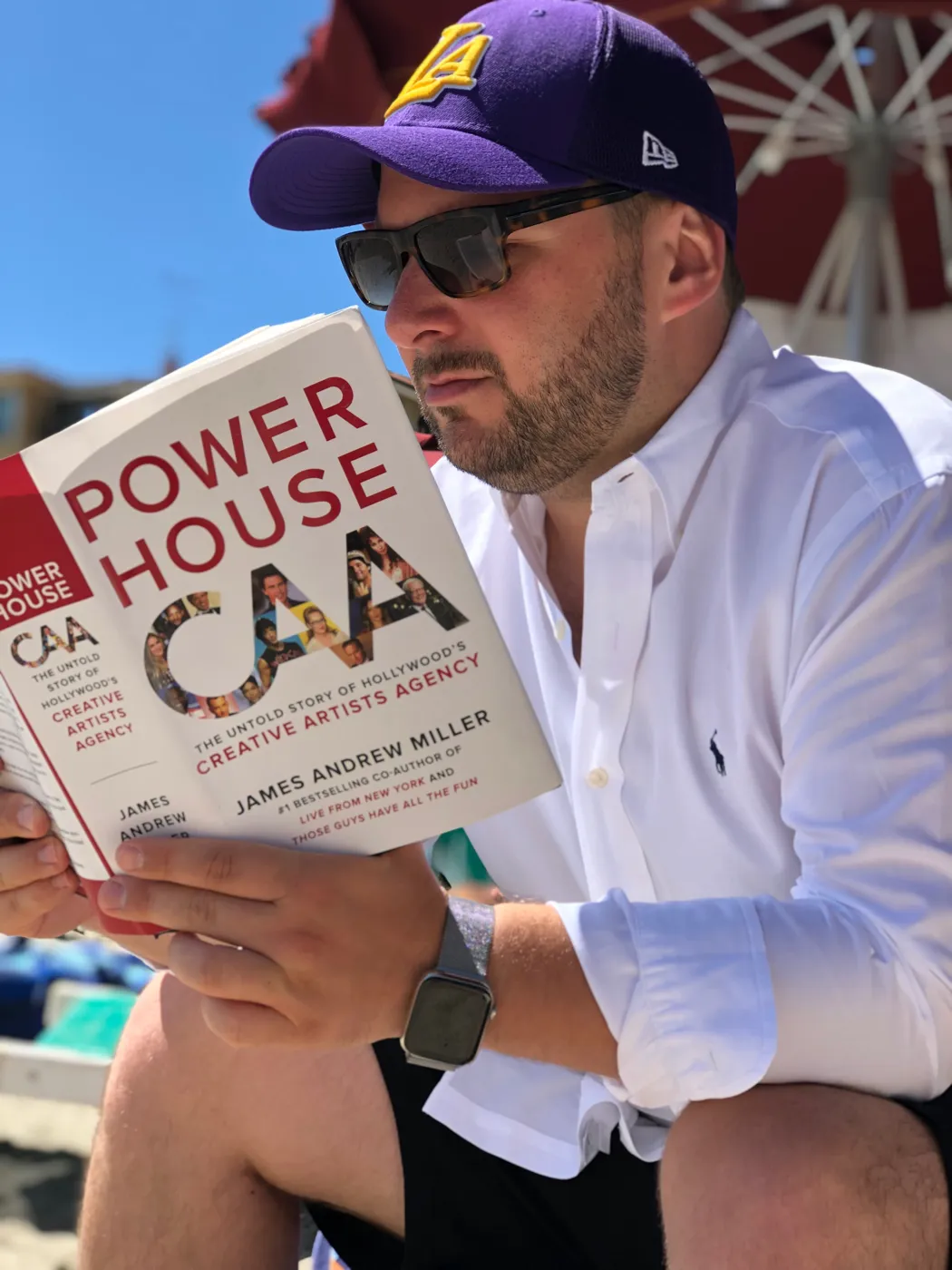
Read it if you finance, structure or negotiate anything in entertainment. The packaging model is not a historical curiosity — it is the substrate that most deal architecture in the sector still sits on, and understanding where it came from tells you which parts are load-bearing and which are merely habitual.
Read it also as a study in institution-building. CAA is one of the few businesses to survive the exit of a founder who was, by common account, synonymous with it. The mechanics of how that succession was managed — and how nearly it went the other way — are worth more than most books written specifically about succession.
The oral history form is the right choice for the material. Nobody in this industry gives an unmotivated account of anything, and Miller's method makes that a feature: you get the self-serving version and the correction, adjacent, and you do the arbitrage yourself.
Fair warning on the length. It is long, and the middle stretch assumes you care about the names. If you do not work in or near the sector, start with the founding chapters and the Ovitz succession, and treat the rest as reference.
Key takeaways
- Packaging was a financial innovation, not a creative one. It moved where value is captured in the chain, and everything downstream — including the eventual litigation — follows from that.
- Leverage concentrates where information does. The agencies won because they could see the whole board while each individual client could see only their own square.
- Founder-dependence is a structural risk with a visible timetable. The book is an unusually detailed case study in surviving the exit of the person the institution was built around.
- Oral history is a diligence technique. Reading three conflicting accounts of the same meeting is better training for deal work than any single authoritative narrative.
Meet the author

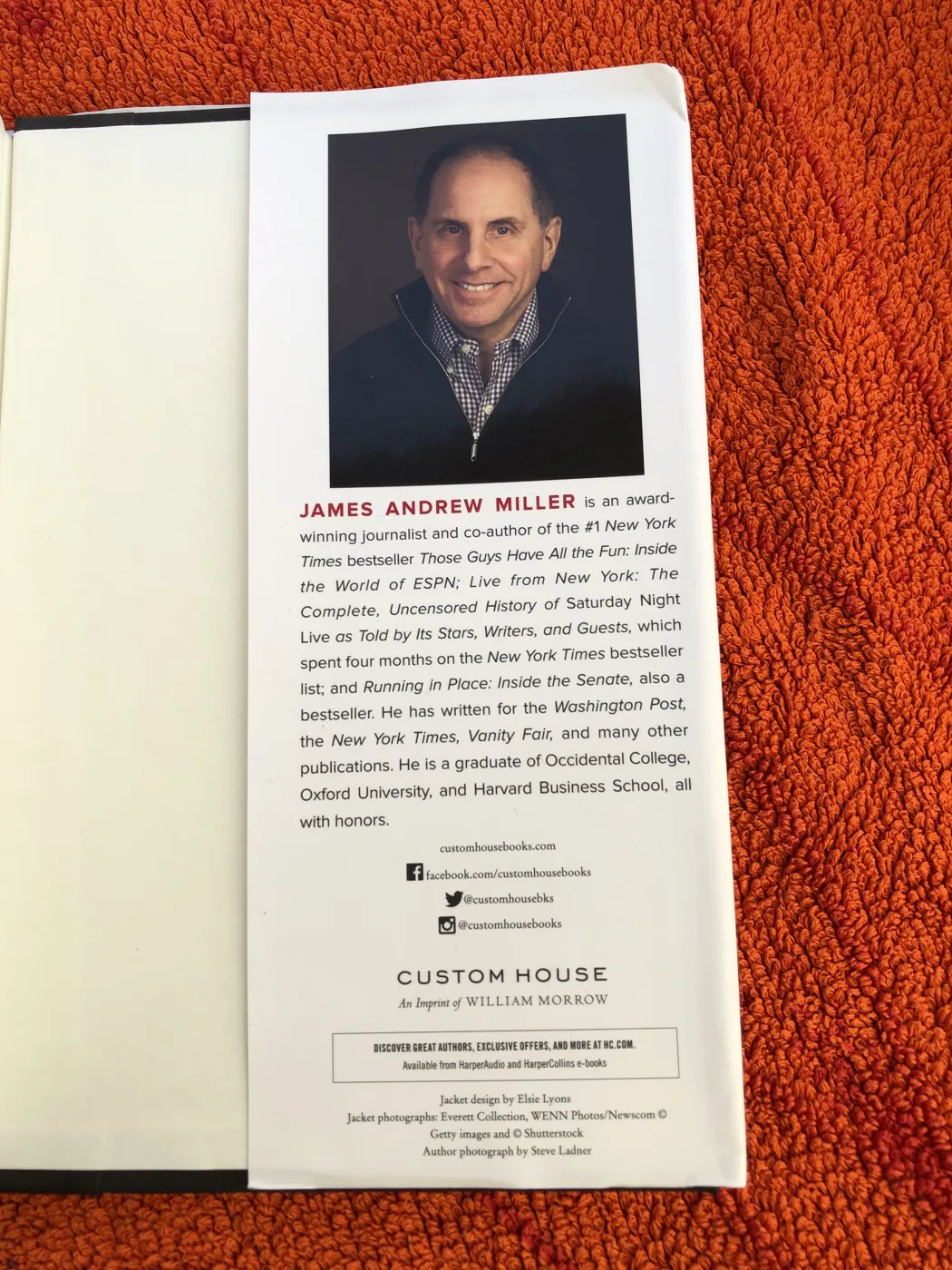
James Andrew Miller is the leading practitioner of the business oral history. Before Powerhouse he wrote Live from New York, on Saturday Night Live, and Those Guys Have All the Fun, on ESPN — both bestsellers, both built by the same method of assembling hundreds of first-hand accounts into a narrative nobody involved would have written alone.
The choice of subject across all three is consistent and deliberate: institutions that shaped American culture from the inside, examined through the people who ran them rather than the products they made. It is a body of work about how creative businesses actually operate, which is a rarer thing than it sounds.
Get your copy
Powerhouse
Where the proceeds go
Some book links on this site earn a commission. Every penny of it goes to the American Cancer Society.
The American Cancer Society funds cancer research, runs free patient-support programs, provides lodging for patients traveling for treatment, and staffs a 24-hour helpline. You do not need to buy a book to help.
This review contains affiliate links. As an Amazon Associate I earn from qualifying purchases, and all commission is donated — details on my disclosure page.